

A preservative sample and a bulk container can carry the same CAS number and the same assay, and still behave differently on your line. In powder additives the drift is usually physical, not chemical: particle size, fines, moisture pickup, and flow change with the scale of production and the weeks between sampling and discharge.
The protection is procedural. A contract that defines the lot, seals reference samples with split custody, and binds acceptance to a written specification with named test methods will settle most disagreements before they start. Drift comes from sampling position, production scale, and time in transit; four contract clauses hold it down, and a disciplined arrival sampling protocol decides whether a later disagreement can be settled on evidence.
Why does bulk behave differently from the approved sample?
The first reason is sampling position. A pre-shipment sample is often drawn from the top of one bag, or from a pilot run packed separately for approval. A container holds hundreds of bags filled over a shift, and the powder at the filling head is not always identical to the powder in the last bag of the run. Granulation drifts as equipment warms up or as a new raw-material lot enters the mixer, so the tails of the distribution — fines and oversize — can differ between the first bag and the last.
The second reason is scale. A laboratory or pilot dryer treats material differently from a production dryer running at full load, and the difference shows up in residual moisture and in how the particles agglomerate. Two lots can both pass the same moisture limit and still differ in free-flow behavior, because the limit is wide and the behavior is sensitive.
The third reason is time and climate. The sample travels by courier in days; the container sits through ocean humidity cycles and warehouse dwell. A hygroscopic powder that was free-flowing when sealed can pick up ambient moisture through each handling step before it reaches your silo. None of this changes the assay, which is why a COA that matches the sample is not evidence that the bulk will run the same.
For the buyer, the practical conclusion is that the sample is a reference, not a guarantee — unless the contract makes it one, and unless the comparison between sample and bulk is designed to catch physical drift rather than only chemical identity.
What should the contract say about samples and lots?
Four clauses do most of the work. First, define the lot: one formulation, one production run, one batch number, no blending across runs without written approval. A "representative lot" assembled from several runs is where traceability breaks down, and the contract should say so.
Second, give the sample a legal role. Seal at least three sets of reference samples in tamper-evident packaging, label each with the batch number and sealing date, and split custody: one set stays with the factory, one travels with the shipment documents, one goes to your own file. Write into the contract that these sealed samples, together with the written specification, define acceptance — and that where a conflict appears, the written specification prevails, because a physical sample ages while a specification does not.
Third, bind acceptance to methods, not adjectives. A specification that says "free-flowing white powder" cannot be enforced; one that names the test method, the sieve series or instrument, the units, and the pass rule can. If the powder's behavior matters to your line, add the physical parameters that predict it — particle size distribution, moisture, and bulk density — rather than relying on assay alone.
Fourth, require the factory to retain its own QC sample of every production batch, drawn separately from the sealed approval sets above. The two are different samples: the sealed set anchors what was approved, and the factory retention anchors what the production line actually filled. That retained sample is what makes a later dispute resolvable, because when the container disappoints, the comparison starts between two independent references from the same batch.
How should a bulk lot be sampled on arrival?
A bulk lot sampled badly is a dispute waiting to happen, because neither side trusts the result. Sample so the result survives argument. Draw from a defined pattern across the lot — not only from the bags at the container door — using a probe long enough to reach the middle of a bag. Combine the draws into one composite for the release tests, and keep separate top, middle, and bottom samples from a few bags so that vertical segregation can be checked if the composite behaves oddly.
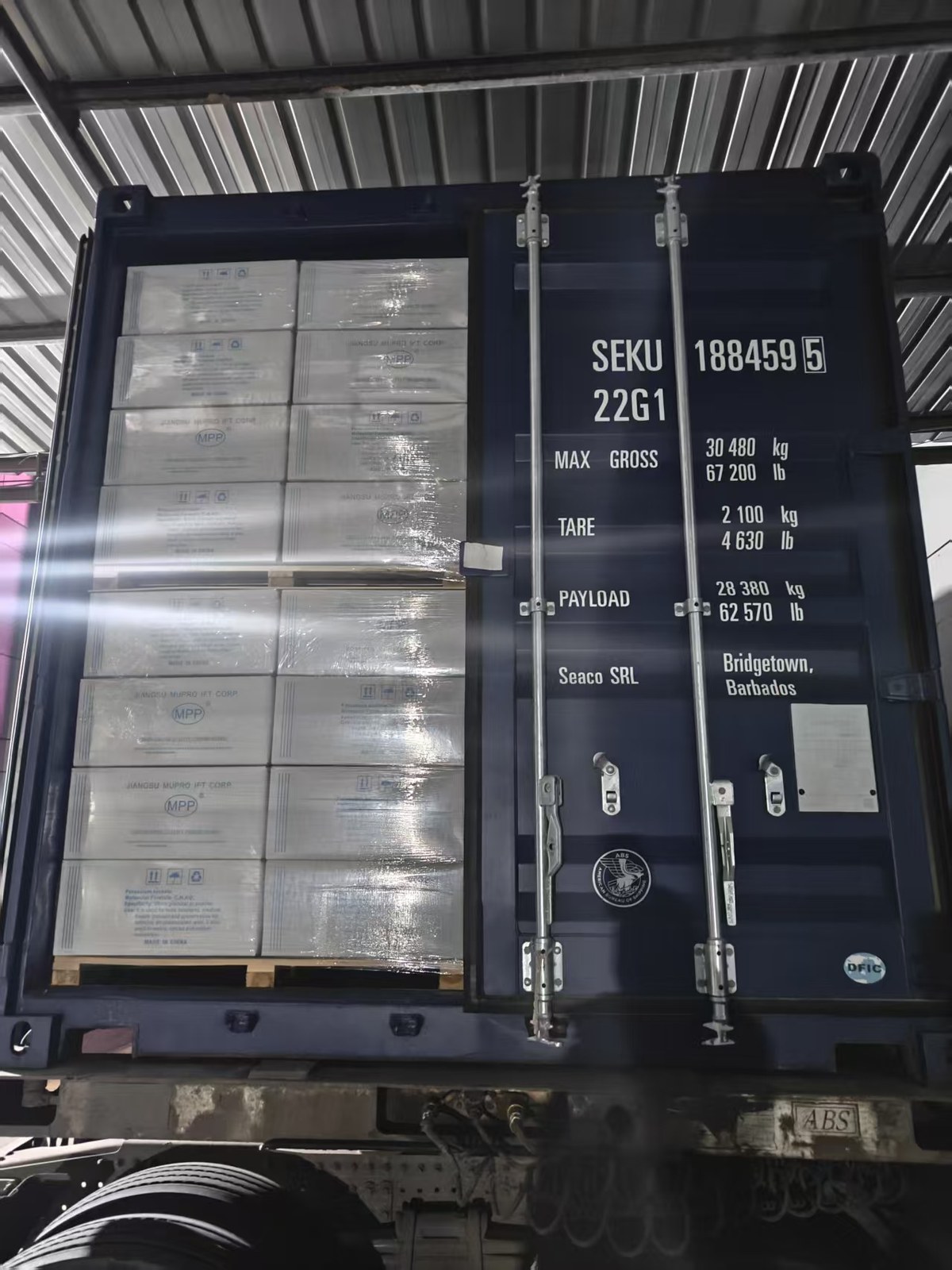
Document the scene before opening anything. Photograph the container interior, the seal numbers, the pallet and bag condition, and any staining or shifting, all before breaking the seal. If a surveyor or a joint sampling with the supplier is part of your contract, this is the moment it happens. The photos cost nothing on the day they are taken and are impossible to reconstruct later.
Label and seal every drawn sample the same way the reference samples were sealed, with the batch number from the bags and the container number. Half of the drawn sample should be tested; half should be retained. If the tests fail, the retained half is what a third-party laboratory will receive.
Which differences matter for powder additives?
Assay almost never explains a bulk complaint. Identity and purity are release-tested and stable; what drifts is physical. Check the differences in this order:
- Particle size and fines. A shift in fines changes flow, dusting, dissolution speed, and how the powder meters. Compare the bulk and the reference sample on the same sieve series before comparing anything else.
- Moisture. Within-spec moisture can still differ enough to change caking behavior over your storage period. Test both samples the same way, and note that a bag-level result can hide a moisture gradient near the bag walls.
- Bulk density and flow. These are the numbers your dosing equipment feels. A density shift changes weigh-batch fill and can look like a formulation error on the line.
- Behavior in your process. A small soak, dough, or feed-mix trial with both samples, run side by side, settles the question that no certificate answers: does the bulk perform like the sample on your equipment.
When the reference sample and the bulk differ on these, you have a real lot question. When they match and the line still misbehaves, the difference is in your process or storage, and the claim conversation changes completely.

What do you do when the container disagrees with the sample?
Quarantine first, in writing, with the date and the batch numbers. Then work the evidence chain in order: the sealed reference sample, the retained factory sample, the drawn-and-retained arrival samples, and the transit documents. The bill of lading records what the carrier received and in what apparent condition; the trade term in your contract decides where risk passed, and the ICC's Incoterms rules are the standard reference for that allocation. Between those documents you can usually reconstruct whether the drift happened at production, at loading, or in transit.
Compare the sealed reference sample against the retained factory sample first. If those two already differ, the sample itself was not from the commercial run, and the conversation is about the sampling protocol. If they match each other but not the bulk, the question is production or transit, and the arrival sampling records decide which. Submit the retained arrival sample to a third-party laboratory if either side disputes the in-house results, and send the same reference material for comparison rather than the bulk alone.
Keep the claim inside the window your contract sets, and put the technical evidence in the claim file: composite test results against the specification methods, the sieve and moisture comparison between reference and bulk, and the photographs. A claim built on documents and matched samples resolves on its merits; a claim built on a phone call resolves on whoever is more patient.
FAQ
Should the pre-shipment sample be taken from the shipment lot itself?
Ideally yes, drawn representatively after final filling. A sample from an earlier or specially prepared batch is reference material only, and the contract should say which kind it is.
How many sealed reference sets are enough?
Enough that no single party controls the evidence: one with the factory, one with the shipment, one with you. Each labeled with the batch number and sealing date, sealed so tampering is visible.
Can I rely on the COA instead of retesting on arrival?
The COA is the factory's release record for its sample. For critical lots, verify the bulk against your own or third-party tests, because the COA cannot see what happened between the factory and your warehouse.
What if the supplier refuses joint sampling?
Treat the refusal as information about the relationship. A unilateral draw with photographs and sealed custody still works, but the refusal itself belongs in the file.
Does any of this change for FIBC ton bags?
The principles hold; the sampling hardware differs. Probing a ton bag takes a longer trier and more attention to vertical layering, and the retained volume per draw is larger.
Who pays for the third-party laboratory test?
Follow the contract. A common arrangement is that the party claiming defect pays first and recovers if the result supports the claim, which keeps both sides from using the laboratory as a delaying tactic.
Next step
If you are setting up reference-sample custody or arrival sampling for a preservative program, the custom specification service covers how pilot samples ship with matching batch documentation, and the quality and certifications page explains what accompanies each production lot, and the documents center lists the certificates and test reports available for every SKU. For risk transfer in transit, the ICC Incoterms 2020 rules define where the seller's responsibility ends.


