

The shelf-life gap between a temperate warehouse and a tropical one is real, but it is not closed by multiplying the propionate dose. Preservative performance follows a diminishing-returns curve, and the tropical failure usually comes from water activity, condensation, and distribution conditions that extra powder alone cannot overcome.
The reliable route is a validated tropical specification: hold the dose inside its legal and sensory window, control the moisture path with packaging and container measures, prove the result with a side-by-side challenge test at the destination's worst case, and keep the records so the next adjustment starts from data.
Why does the same dose fail sooner in Jakarta than in Europe?
The preservative itself does not degrade faster in the tropics. What changes is the environment the preservative has to work in. Year-round heat and humidity raise the surface moisture of flour, premix carriers, and finished bread; water activity climbs toward the range where mold germinates quickly.
Packaging that breathed adequately in a temperate climate now sits through cycles of hot days and cooler nights, and condensation forms inside the bag — localized wet zones where mold starts even while the lot-average moisture reads in spec. Distribution adds its own load: open-air wholesale markets, non-refrigerated trucks, and small retailers without climate control all extend the time the product spends at its worst case.
That is why a shelf-life result from a temperate plant is a starting estimate, not a promise. The same dose can be chemically intact and still lose the race against a faster mold generation time. Comparing the two climates directly — with the finished product and the commercial package — is the test that directly answers the question the destination market actually asks.
How do you test a temperate dose against tropical conditions?
Run a side-by-side comparison rather than a leap of faith:
- Bake the comparison. Produce the product with the current dose and with one or two higher doses inside the legal and sensory window.
- Pack commercially. Everything goes into the format the market actually receives.
- Hold two conditions. Your validated temperate control, and the tropical worst case — the highest warehouse temperature and humidity your distributor records, for the full transit and shelf period.
- Read on a schedule. Record the first day visible mold appears on any pack; that number decides the dose.
Water activity belongs in the same file. Ambient humidity and product water activity track each other, and the equilibrium relationship is what makes ambient RH a useful proxy for the mold risk the product faces. A pack whose surface water activity drifts upward in tropical storage is telling you the dose is working against a moving target, and packaging is usually the lever that stops the drift.
If you have no laboratory, the comparison still runs: a calibrated scale, a thermometer, a hygrometer for the storage room, and the pack schedule above are enough to produce comparable numbers. An external laboratory adds formal weight for distributor acceptance, but the plant-side test decides the dose direction first.
Where does the dose ceiling sit?
Three ceilings bound the dose, and each one is checkable:
- The legal ceiling. Set by the destination market: permitted propionate levels for bread vary by country and category, so the specification should name the strictest limit across the markets you ship to and stay inside it.
- The sensory ceiling. It arrives earlier in tropical products: higher propionate doses push a sour or chemical note into the crumb that consumers notice, and a loaf that outlasts its competitor while tasting of preservative has traded one complaint for another.
- The effectiveness ceiling. This is the diminishing return itself — beyond the validated range, each additional increment buys fewer mold-free days than the last, because the dose no longer changes the outcome that moisture and contamination drive.
This is why doubling the dose is rarely the answer the numbers suggest. The first move from a sub-threshold dose into the effective range buys the meaningful gain; further doubling mostly adds cost, flavor risk, and label weight. Where the plateau sits is a question for the challenge test, not for arithmetic.
Should one tropical dose cover Jakarta, Manila, and Bangkok?
A single validated tropical specification usually can cover the region — provided it is set by the worst-case distribution chain and the strictest applicable regulation, not by an average. The three cities share the same climate band, but their distribution chains differ: port dwell times, wholesale structures, and retail conditions vary, and the regulation that governs propionate in bread differs by country as well. Setting one dose at the strictest legal limit and validating it against the hardest logistics path is simpler and more defensible than maintaining three specifications that drift apart over quarters.
What does not transfer is validation itself. A dose validated for one market's chain carries evidence only for that chain; if Manila's distribution adds open-air storage that Jakarta's does not, the Manila validation needs that condition in the test. Regional harmonization work is under way among ASEAN members, but the national annex is what sets the limit, and registration and labeling requirements still apply per market.
What protects the dose during shipping and distribution?
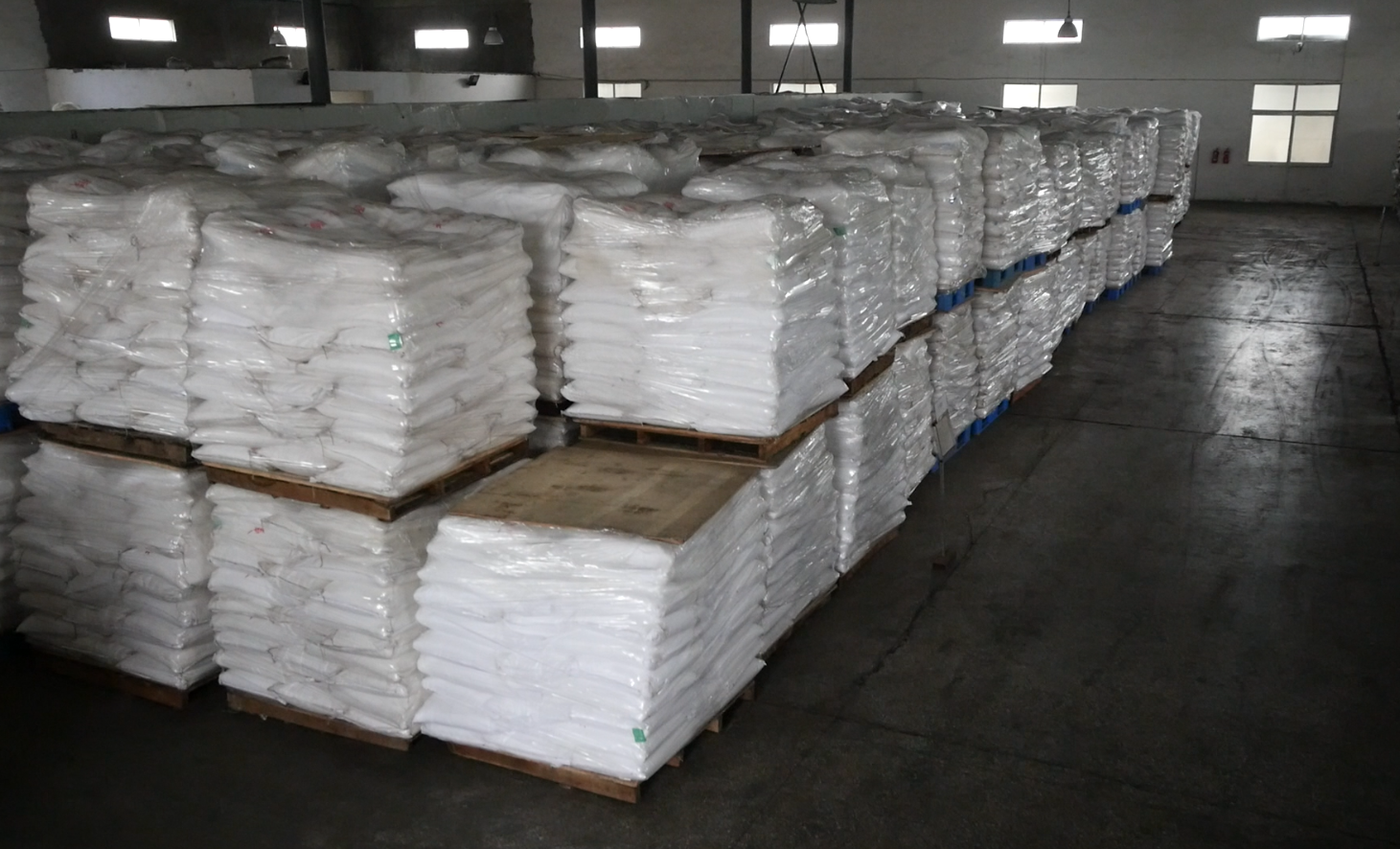
The moisture path from factory to shelf runs through the container, and container measures often buy more shelf life than another kilogram of powder. Desiccant bags sized to the container and voyage lower the dew point and reduce the condensation that wets pallet tops and bag seams. Pallets kept off container floors and walls, stretch wrap that sheds dripping condensation, and liners specified for hygroscopic powders each remove a step where ambient moisture reaches the product. None of these replace the preservative; they stop the environment from eroding it.
At the destination, the same discipline continues: bags off concrete floors, gap from walls, FIFO rotation, and order timing that clears the oldest stock before the rainy season, and a logger at bag height that records what the product actually experienced. When a complaint arrives, that log is the first document a supplier will ask to see, because it separates a storage problem from a formulation problem.
What records make the next adjustment faster?
Keep the challenge test in a reusable format: the dose schedule, the packaging format, the storage conditions with logger data, the first-mold-day readings per pack, and the water activity values beside them. Add the destination market's regulatory limit that bound the dose, and the sensory panel note that bounded it from above. The next seasonal adjustment or new-market entry then starts from a known curve instead of a fresh argument, and the distributor audit question about shelf-life validation is answered by a file rather than a meeting.
Pair the test records with the batch documents that travel with the preservative itself — the per-batch certificate and specification that show what was dosed. Together they connect what was promised, what was measured, and what the market saw. For the international baseline on additive use in bakery products, the Codex Alimentarius standards database hosts the general standards that regional regulations build on.
FAQ
Should we switch from calcium propionate to potassium sorbate for tropical markets?
They inhibit overlapping but not identical organism ranges, and sorbate brings its own pH dependence and sensory profile. The switch is a formulation project validated with the same challenge test, not a substitution made on climate alone.
Do preservatives fail faster in high humidity?
The compound itself is stable; what changes is the water activity around it. High humidity raises surface moisture and creates condensation zones where mold outruns the dose. Packaging and container drying address that path directly.
How much extra shelf life does a higher dose buy?
The move from a sub-threshold dose into the validated range buys the meaningful gain; beyond it, returns shrink to days. The challenge test on your own product shows where your plateau sits.
Can we validate shelf life without a microbiology lab?
Yes, for the dose decision: the pack schedule, first-mold-day readings, water activity, and condition logs produce comparable numbers. A laboratory adds formal weight when a distributor or regulator requires an accredited report.
Does rainy-season flour change the dose?
It changes the starting moisture the dough carries, which nudges water activity upward. Compensating at the mixer — with corrected flour storage or adjusted water — addresses the cause; raising the preservative dose treats the symptom.
What one record prevents the most repeat disputes?
The storage condition log at the destination. It converts an argument about climate into data about conditions, and it is the first document most claims start with.
Next step
If you are setting a tropical specification for preservative-dosed products, the calcium propionate page and the potassium sorbate page list the grades and documentation that support dose validation, and the Southeast Asia market page summarizes the regional logistics and document pack that move them.


