

Among the three common calcium salts, tricalcium phosphate is the one that interferes least with yeast fermentation, which is why bakers reach for it when a bread bun needs calcium fortification without a slower proof. Calcium carbonate carries more elemental calcium per gram but buffers the dough pH upward, which works against the acid-driven process that yeast depends on; calcium citrate sits between the two, easier to disperse but with its own flavor and buffering trade-offs.
Grade choice matters as much as salt choice: particle size decides whether the fortification disappears into the crumb or shows up as chalkiness. The sections below compare the three salts for bakery use, explain the fermentation mechanics, and list what the specification should state so the same grade arrives every quarter.
Why does calcium carbonate slow fermentation more than TCP?
Bread fermentation runs on acid. Yeast activity, amylase function, and gluten behavior all track the pH drop that develops as fermentation proceeds. Calcium carbonate is alkaline, so it consumes the acids the ferment produces and holds the pH up; at fortification levels the buffering effect is strong enough to change fermentation time and flavor development. Calcium citrate buffers more gently and dissolves more readily than TCP, but it still participates in the acid balance and can add a tart note at higher doses.
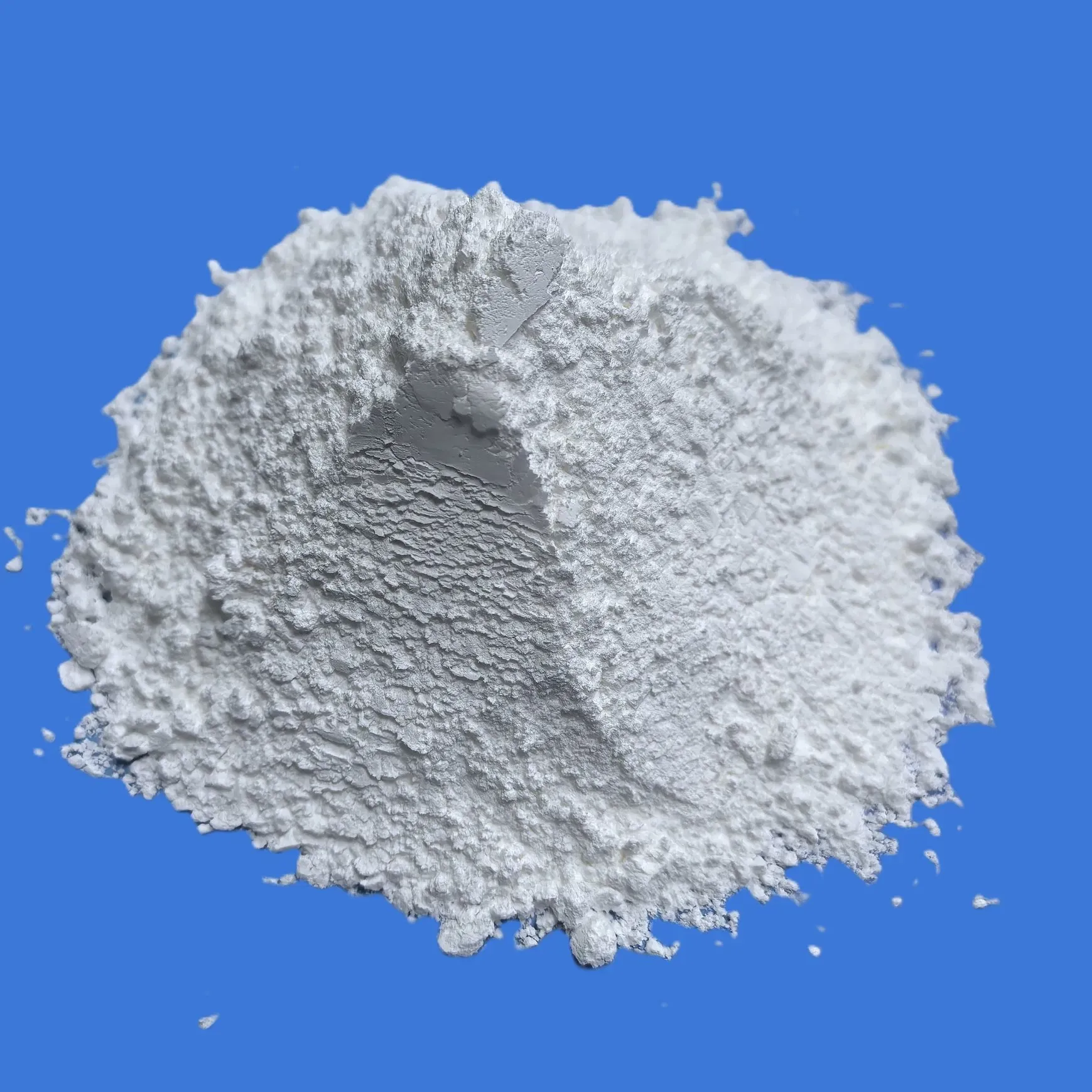
Tricalcium phosphate takes a different path. It is only slightly soluble in dough water, so it intervenes little in the acid balance while fermentation runs. The salt dissolves slowly enough that the pH trajectory of a long ferment is largely unchanged, which is the property bakers rely on when the dough has to prove for hours.
The trade-offs follow from the same chemistry. Low solubility means the calcium stays put as particles: dose them high and the crumb feels sandy, and in liquid applications the powder settles. Carbonate carries the most calcium per gram, which keeps the dose low; citrate disperses best, which matters in high-moisture systems. The right choice tracks the product, not a universal ranking.

How does particle size decide mouthfeel?
Chalkiness is a particle-size problem before it is a chemistry problem. Insoluble calcium salts read as gritty or chalky when particles are large enough for the tongue to detect, and the fix is a tightly controlled fine grade rather than a lower dose. But finer is not automatically better: a grade ground too fine can clump and disperse unevenly, which produces localized pockets of powder and a pasty feel. The practical target is a fine grade with a controlled distribution, verified by asking the supplier for the full particle-size data rather than the average alone.
Tortilla and cracker programs are the classic cases, because the product carries little else to mask texture. Bread crumb hides particles better than a thin flatbread does, so the same grade that disappears in a pan bread can stand out in a tortilla. Match the grade to the most texture-exposed product in the line, and the bread applications follow.
| Salt | Elemental calcium (typical) | Dough pH impact | Mouthfeel risk | Best fit |
|---|---|---|---|---|
| Tricalcium phosphate | High 30s percent | Low — slightly soluble, slow | Gritty if coarse; settles in liquids | Bread and buns needing full fermentation speed |
| Calcium carbonate | About 40 percent | High — alkaline, buffers acids | Chalky if coarse; dose-efficient | Low-moisture products, chemically leavened items |
| Calcium citrate | Low 20s percent | Moderate — soluble, buffers gently | Tart note at high dose | High-moisture products needing dispersibility |
What does high-fiber flour change?
Whole-grain and high-fiber formulas bring phytates into the picture, and phytates bind calcium into complexes the gut absorbs poorly. The binding risk applies to every calcium salt; the difference between them is smaller than the bioavailability literature suggests, because the rescue mechanism is the fermentation itself. Phytase in flour and yeast degrades phytate during a long ferment, which frees the bound calcium regardless of which salt supplied it.
The practical consequence for a whole-grain program is that fermentation time is part of the nutrition design. A short, chemically leavened whole-grain product keeps more phytate active, so the fortification plan needs either a longer ferment, a lower-phytate flour blend, or a dose that accounts for the binding. The salt choice matters less than giving the dough the time and conditions to break phytate down.
What should the specification state?
Calcium grades drift between suppliers and between quarters unless the specification pins them down.
State the salt by chemical name, not just "calcium source." State the elemental calcium content window, which follows the assay. State the particle-size requirement as a distribution with a test method, not an average, because that is the number that protects mouthfeel. State the heavy-metals and microbiology limits that the certificate of analysis must show per batch, so the release documents match the fortification claim. And state the packaging format, because a hygroscopic grade in the wrong bag construction shows up months later as flow and clumping behavior on the weighing floor.
With those five lines in the specification, the quarterly delivery matches the pilot trial that justified it, and the audit question about grade consistency is a document check instead of a debate. Certificates and test reports available per lot are listed in the site's documents center, and the calcium salts and phosphates page maps the food-grade options.
How do you convert a calcium target into a dose?
Work backwards from the finished product. The label claim is made on the amount of elemental calcium in the food as eaten, so the formula needs the dose that delivers the claim in the finished product after moisture loss and handling, not the dose that looked right in the dough.
Start from the claim threshold your market sets, divide by the elemental calcium fraction of the chosen salt from its certificate of analysis, and add the process allowance for dosing variation between batches. The arithmetic is simple; the discipline is dosing on the certificate assay of the lot actually delivered, because the theoretical fraction of a pure salt and the assayed fraction of a commercial grade are not the same number.
Verify the fortification level the same way it will be audited: sample the finished product, not the dough, and run the mineral measurement through the same laboratory method every time. A fortification program that changes its measurement method between quarters cannot tell a grade change from a method change.
How should a plant trial be run before switching grades?
Run the candidate grade against the incumbent on the same day, in the same formula, at the same calcium target computed on each certificate's assay. Record dough pH through fermentation, proof time to height, and bake loss alongside the fortification numbers, because a grade that changes fermentation behavior announces itself in the proof box long before the label is affected. Sensory is the second gate: the texture-exposed product in the line decides the grade, and a chalky result there ends the trial regardless of what the bread numbers say.
Two trial days on two raw-material lots give the comparison a fair basis. One day can be decided by the flour rather than the calcium.
What can the label say?
The nutrition claim follows the amount of calcium in the finished product, not the salt that supplied it. In the European Union, the authorized claims list "source of calcium" and "high in calcium" against defined thresholds, and health claims about calcium's physiological roles are worded by the register rather than by the marketer.
What the EU register does not authorize is a comparative absorption claim — a label cannot say one salt is better absorbed than another without an authorized claim backing it. Formulation for bioavailability and writing the label are separate exercises, and the second is bounded by the register of authorized claims under Regulation (EC) No 1924/2006.
United States labels follow their own framework, but the same principle holds: the declaration is elemental calcium, and the grade shows up in the ingredient list by name.
FAQ
Does TCP settle out of liquid fortification systems?
It can, because low solubility leaves particles suspended rather than dissolved. Suspension aids, fine grades, and continuous agitation manage it; the particle-size specification is the control point.
How much calcium survives baking?
Effectively all of it. Calcium is an element and does not degrade at baking temperatures; the assay of the finished crumb reflects the dose, minus handling losses. Bake loss is a moisture story, not a calcium story.
Will TCP interact with a vitamin premix in the same blend?
It can contribute indirectly through moisture behavior and trace impurities, though reactive minerals such as iron and copper are usually the stronger drivers of vitamin loss. Splitting vitamin and mineral premixes, and comparing suppliers' impurity data, settles it faster than any general rule.
Is a fine grade always the better choice?
Fine grades fix grit, but ultra-fine powders can clump and disperse unevenly. Verify the full distribution and, where possible, check dispersion behavior in the actual product rather than chasing the smallest number.
Does the fortification change browning?
Calcium salts can shift surface browning in some bakery systems by changing pH and water behavior. Compare against an unfortified control baked side by side before scaling, and adjust the bake profile rather than the fortification if the difference matters.
Which salt is the cheapest way to hit a calcium target?
Cost per gram of product and cost per unit of delivered calcium are different numbers, and the cheapest raw material is rarely the cheapest formulation once dose, handling, and mouthfeel are counted. Compare on the finished-product basis.
Next step
If you are specifying a calcium grade for bakery fortification, the calcium salts page lists the food-grade options and the custom specification service covers particle-size windows and packaging tailored to your line.


