

A mixed container clears customs across Southeast Asian markets when every SKU stays separately identifiable on paper and on the pallet — one shipment, several product lines, each line reconciling across the invoice, the packing list, the transport document, and the permits.
Holds usually trace to a line-level mismatch: two SKUs sharing a description, food-grade and feed-grade versions of the same salt documented as one product, or an invoice consolidated so far that customs cannot see what the container holds. The sections below set out the document architecture that keeps mixed loads moving, the grade-segregation paperwork that prevents the most common partial hold, the loading records that prove segregation through transit, and the sampling method that releases each SKU against its own batch documents.
Why did two of three lines get held?
Customs systems audit line items independently: the electronic declaration cross-checks each line against licensing requirements, tariff codes, and the packing data behind it. When two of three lines stop while the third clears, the usual causes are line-level rather than container-level: a description that does not match the permit behind it, a tariff classification that reads ambiguously for one of the products, or packing data too generic for the reviewing officer to reconcile pallets against lines.
The third SKU's paperwork passing is useful evidence in the response — it shows the file's structure was sound and the failure sits in specific lines.
The response itself follows the same structure. Identify which fields of the held lines disagree with which reference document — permit name, HS code, description, quantity — and reply with a corrected or clarified line rather than a re-argument of the whole file. Ports move on corrections, not on advocacy.
How should the document set be structured?
Two layers with different jobs keep the file clean:
- Shipment-level documents cover the container. One commercial invoice package, one packing list, one transport document, and — where the regime permits — one origin certificate span the whole consignment, provided every SKU appears as its own line with its own description, quantity, value, and tariff code.
- Product-compliance documents cover each SKU. Analysis certificates, specification sheets, health or registration papers attach to the product line they certify, each carrying the batch numbers that will travel inside the container.
Invoice structure deserves a decision rather than a habit. A distributor wanting one invoice for the container and a factory issuing one per SKU can both be satisfied with a hybrid: the factory's per-SKU invoices stay intact as the commercial record, and a consolidated summary invoice with the SKU schedule rides on top for the customs entry. Collapsing the factory invoices into one document loses the price detail the customs officer may reconcile; submitting per-SKU invoices without the summary creates the friction of a multi-invoice entry.
How do food-grade and feed-grade versions of the same salt stay separate?
Grades of one chemical are the classic partial-hold trigger, because the products look identical and differ in the documents. The separation runs through four fields:
- Separate tariff treatment. Food and non-food versions of the same salt can fall under different sub-headings; keeping them distinct on the invoice and packing list is the first line of defense.
- Explicit line descriptions. Each line names the grade — human-food ingredient or animal-feed application — rather than relying on the salt name alone.
- Physical traceability. Each grade sits on its own pallets or handling units, labeled to match its line, so an inspector can verify the split without opening bags.
- Grade-matched certificates. The analysis certificates and registration papers attach to their own grade's line, because a food-grade registration does not cover a feed-grade lot.
The same discipline answers the end-use audit question: a documented packing list that shows SKU, batch, carton quantity, and pallet ID lets an auditor trace any unit in the container back to its batch and its compliance paper without a factory visit.
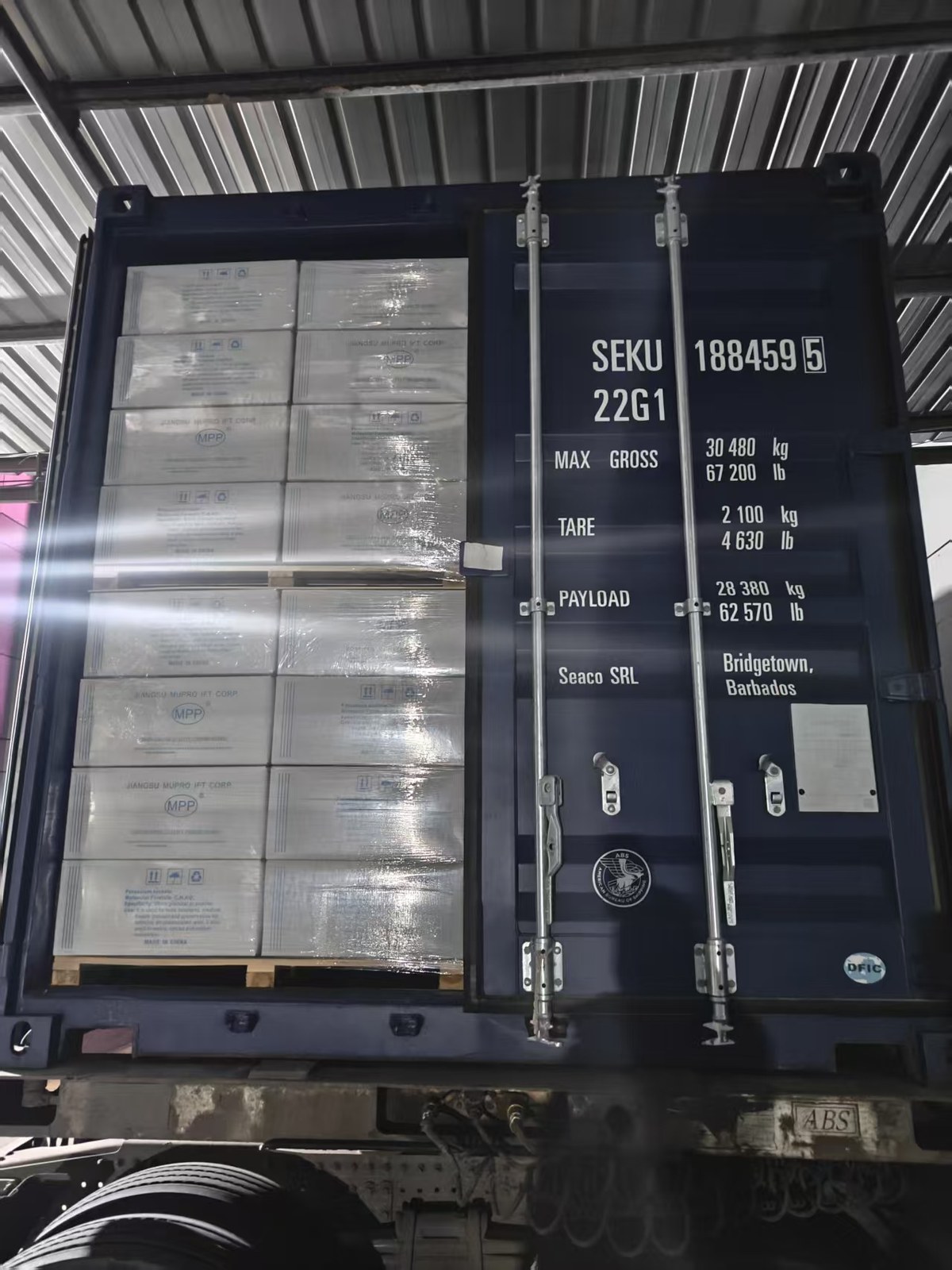
What proves the SKUs stayed segregated?
No single document proves segregation; a reconciled chain does. Before loading, the SKU-level packing list or load plan shows each SKU, its lot numbers, its carton count, and its intended position. At loading, photographs of the staged pallets and the container interior tie the plan to the physical load, and the seal number closes the container. In transit, the transport document and seal record carry the chain. At devanning, the receiving record — counts, condition, and photographs — closes it on the destination side.
Adding a fourth SKU to a booked mixed container touches every layer of that chain: the load plan changes, the packing list and invoice lines change, the certificate set gains the new product's papers, and every party in the chain — factory, forwarder, broker, importer — needs the revision before the container closes. Late additions are possible; late additions without paperwork revisions are how partial holds start.
Barcode standards earn their place here too: carton labels carrying a structured identifier let every party scan rather than transcribe, which removes the transcription errors that create line-level mismatches in the first place. The GS1 barcode standards define the identifier structure most export labels follow.
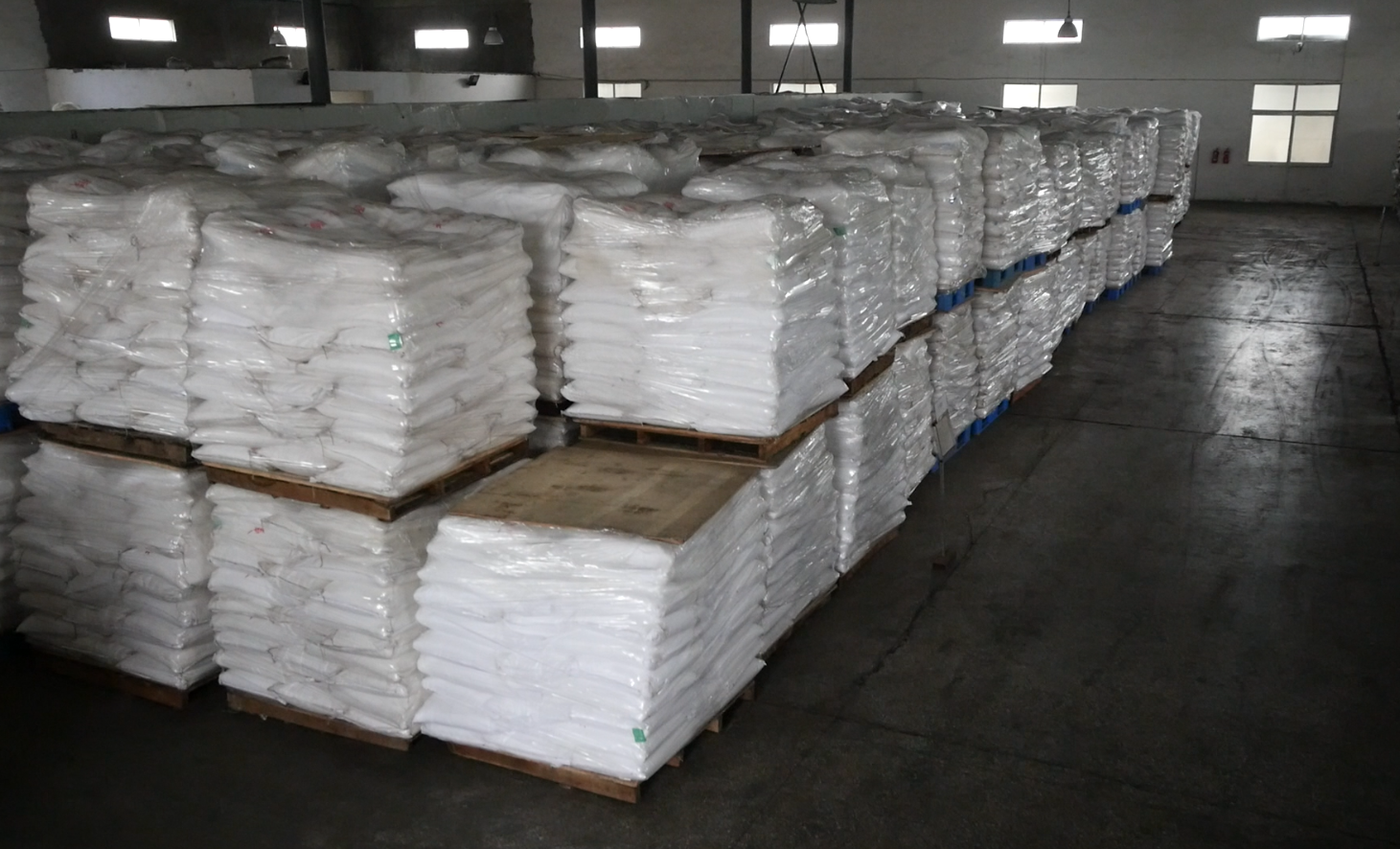
How does arrival sampling work for a mixed container?
Sampling follows the map, not convenience: draw from each SKU's pallets according to its own plan, so every release test connects to the batch documents that line carries. A composite sample that blends SKUs tests nothing, because no certificate covers the blend. Keep the drawn samples labeled by SKU and batch, run the release tests against the specification each SKU's line references, and retain the splits the same way a single-product shipment would — the mixed container does not relax the traceability standard; it multiplies it.
Which tariff and labeling practices keep mixed loads moving?
Three habits at the paperwork stage prevent most reclassification disputes:
- Classify per SKU, never per container. Each line carries its own tariff code; a container-level code invites the reviewer to pick one and question the rest.
- Describe by identity, not by family. "Preservative, calcium propionate, food grade" moves; "food additives" does not.
- Label cartons to match lines. Structured carton identifiers that echo the invoice lines let an officer reconcile a pallet to a line quickly, and they reduce the transcription errors that create mismatches.
Where a destination regime requires registration or permit numbers per product, the line is also where those numbers appear. A mixed file that hides permit references in attachments reads as an incomplete file; the same references on the lines read as a complete one.
How should a partial hold be answered?
The answer letter follows the reconciliation the reviewer was attempting. Identify the held lines, state which reference document each line conflicts with, and supply the corrected line data — permit number, clarified description, or reclassified code — rather than restating the original file. Copies of the product-compliance papers for the held SKUs accompany the reply, because those are the documents the reviewer was trying to reconcile when the mismatch surfaced. A response structured this way is built to close in one round; a response that re-argues the shipment closes slowly or not at all.
FAQ
How does the arrival sample connect back to the factory?
The sample's value depends on the batch chain behind it. A drawn sample labeled with the SKU and batch number matches the certificate that batch carries, and the retained split stays available for the third-party test if a release result is disputed. When the factory's retained sample from the same batch is pulled for comparison, the two samples answer the question every mixed-container dispute eventually reaches: was the product out of specification when it left, or did something change in the container? The load plan, the photographs, and the seal record decide which half of that question the evidence supports.
Can one certificate cover the whole container?
Shipment-level papers can; product-compliance papers cannot. Origin and transport documents span the consignment; analysis and registration papers follow the SKU lines they certify.
Does one factory shipping three SKUs simplify the file?
It simplifies the origin story, not the structure. One manufacturer means one authorization chain, but each SKU remains its own line with its own compliance papers.
What if the two grades must ship together for space reasons?
They can, with the four-field separation above: tariff treatment, explicit lines, physical labeling, and grade-matched certificates. Space pressure changes the load plan, not the documentation discipline.
Who tells whom when a SKU is added late?
The factory revises its documents, the forwarder revises the load plan and booking, and the importer's broker revises the entry draft. The revision needs to reach all three before the container closes.
Next step
If mixed-container sourcing is part of your Southeast Asia program, the Southeast Asia market page summarizes the mixed-container service and document pack, and the product catalog lists the SKUs that combine into one container, and the quality page describes the certificate set behind each line. The loading records described here follow the identifier structure of GS1 barcode standards.


